Exploring the world, capturing the moments and sharing the journey.
This site is designed with mobile viewing in mind.
I feel very fortunate to have built a fleet of drones, each bringing its own strengths to my aerial photography and videography. Each one has a role to play, helping me capture different perspectives and choose the right approach for the scene. On this page, I’ll introduce the drones I fly, share what makes each one special and explain how they help bring my images and films to life.
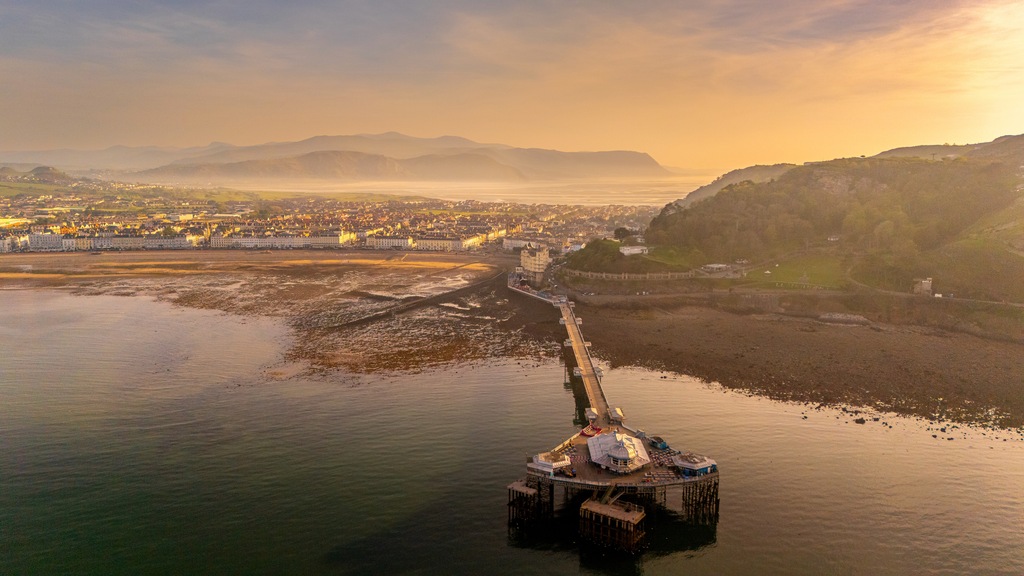
Llandudno Pier, early morning. Llandudno, Wales. UK. DJI Mini 5 Pro
I’ve chosen DJI drones throughout my fleet because, for me, they offer an excellent combination of camera quality and ease of flight. Their intuitive controls help me focus on capturing the images and footage I have in mind, while the built-in screens on my DJI RC 2 and DJI RC Pro 2 controllers mean my phone can stay in my pocket. It’s a setup that makes getting airborne straightforward and lets me enjoy the view from above.
Kindly note, the drone images below are curtesy of the DJI media centre, they are not my own images.
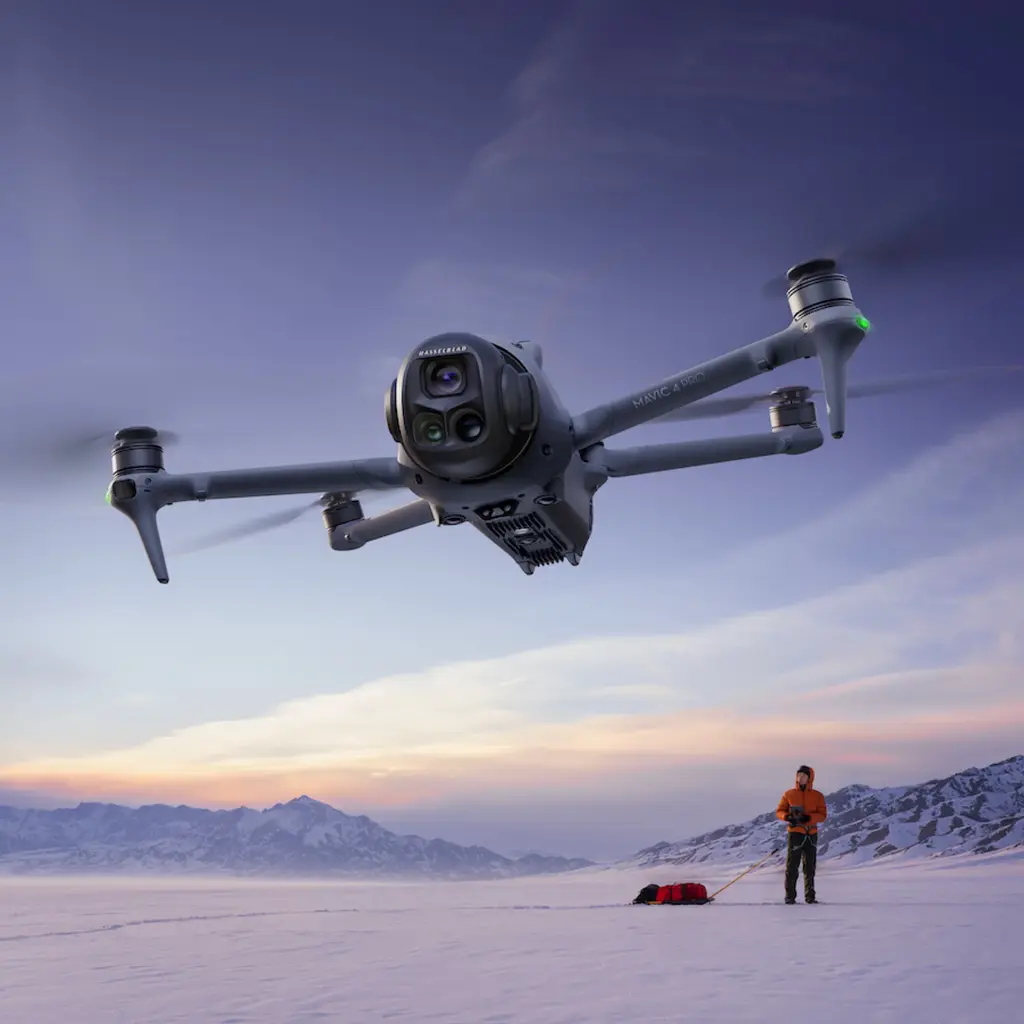
The DJI Mavic 4 Pro takes pride of place as the flagship of my drone fleet. It brings together the qualities I value most in aerial photography and videography, giving me the creative freedom to capture sweeping landscapes and explore the details that catch my eye from above. I feel fortunate to have it in my kit, and it plays a central role in bringing my vision to life, one flight at a time.
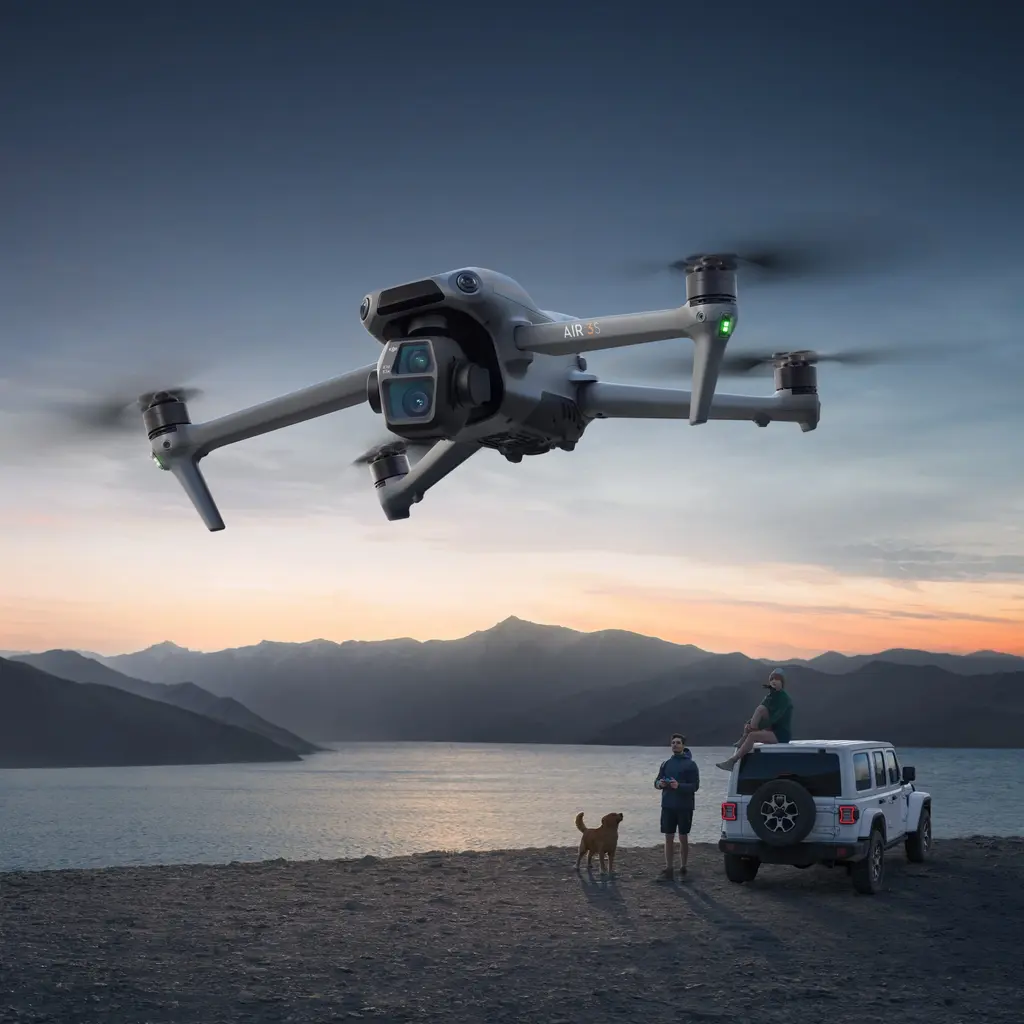
The DJI Air 3S holds a special place in my fleet, offering a balance of portability and creative flexibility that makes it a welcome companion on my travels. It’s a drone I enjoy taking along to explore new places, capture wide-open landscapes and find fresh perspectives from above. For me, it brings together the camera quality and ease of flight I value in DJI drones, in a size that’s easy to bring along for the adventure.
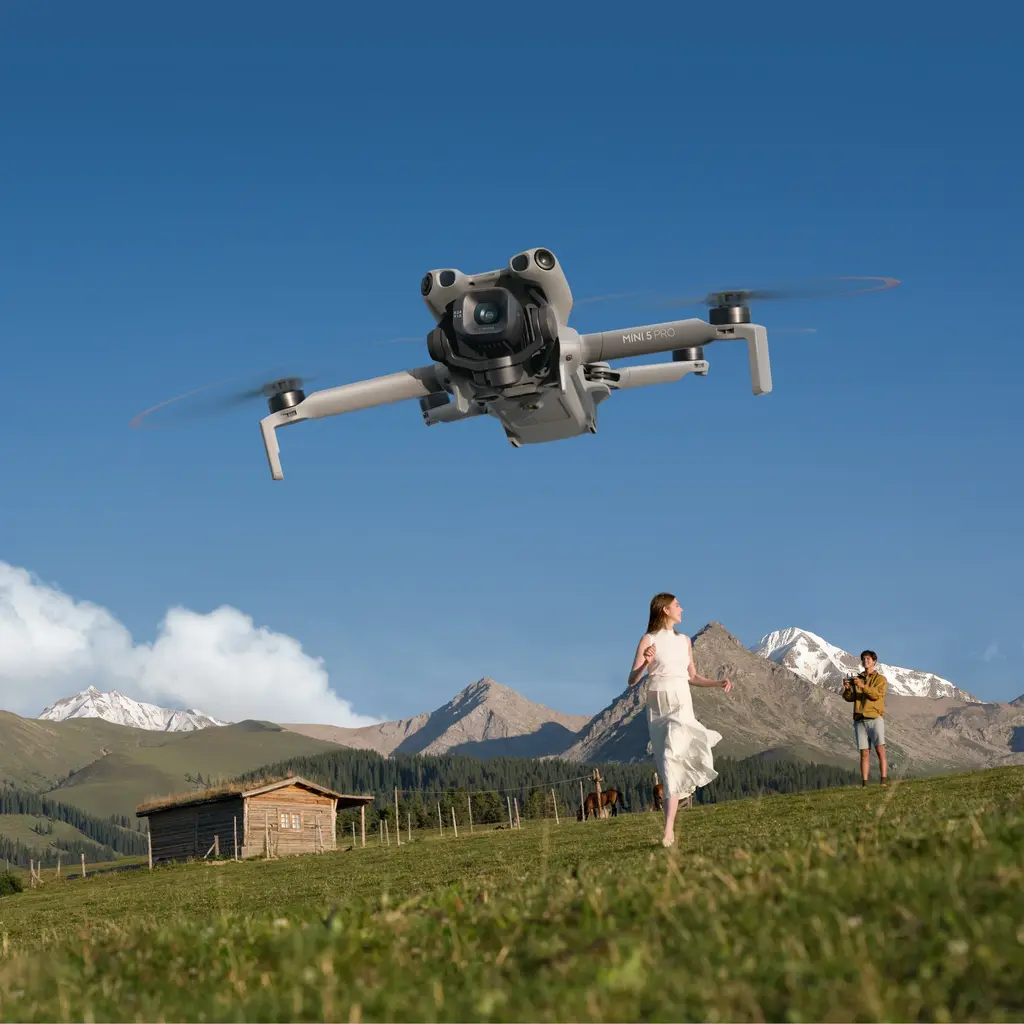
The DJI Mini 5 Pro earns its place in my fleet by pairing a compact size with the camera quality I look for in my aerial imagery. It’s easy to pack and carry, making it a welcome companion when I want to travel light and leave room for a little adventure. For me, its appeal is simple, a small drone that gives me the creative freedom to capture photographs and footage I’m proud to share.
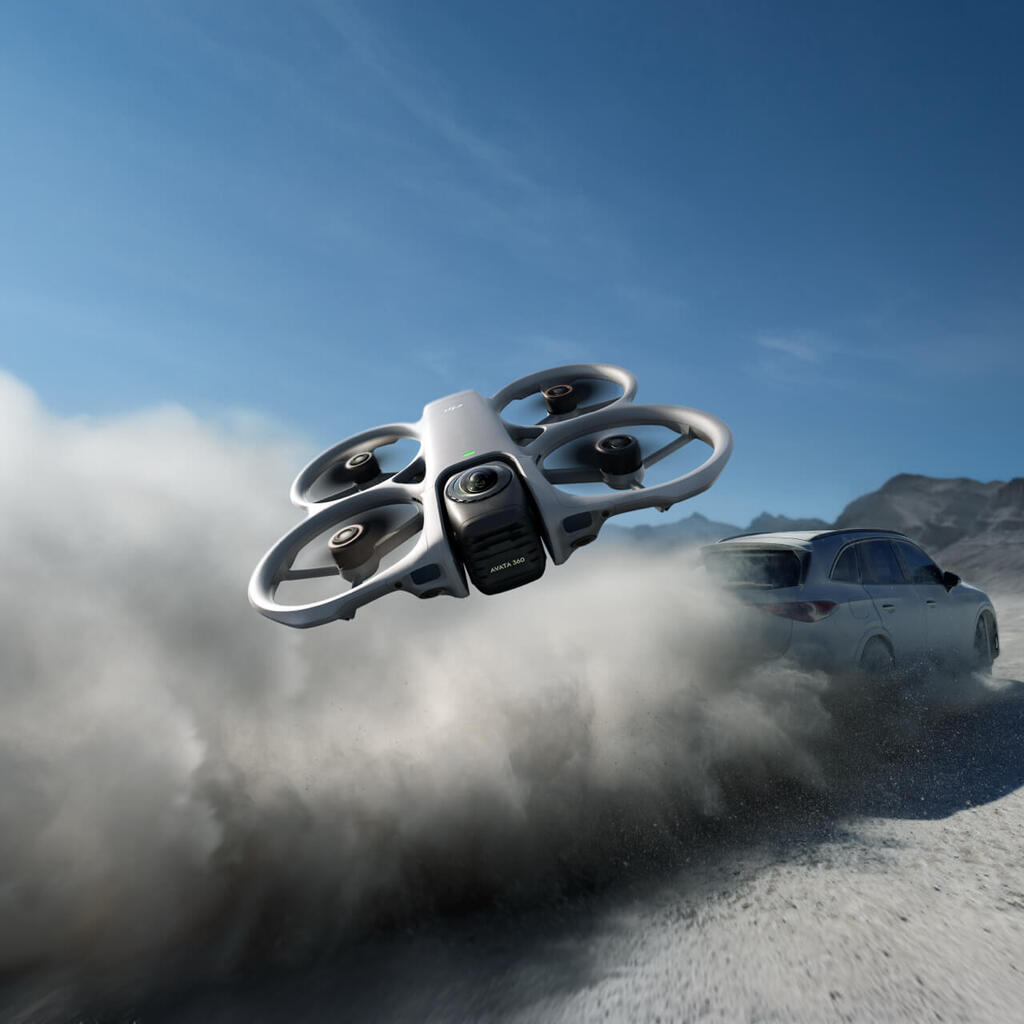
The DJI Avata 360 brings a playful, immersive dimension to my drone fleet, opening up new ways to capture the world in every direction. Its 360-degree footage gives me the freedom to explore different angles and choose my framing after the flight, adding another layer of creativity to my aerial films. For me, it’s an exciting way to experiment with movement and perspective, and share a little more of the adventure with you.
The DJI Avata 2 brings an immersive sense of adventure to my drone fleet. I fly it in first-person view (FPV), using goggles to see through the drone’s camera and a controller to guide its movements. It’s an experience that makes me feel part of the flight, giving me a fresh way to explore my surroundings and capture footage that draws you into the journey.
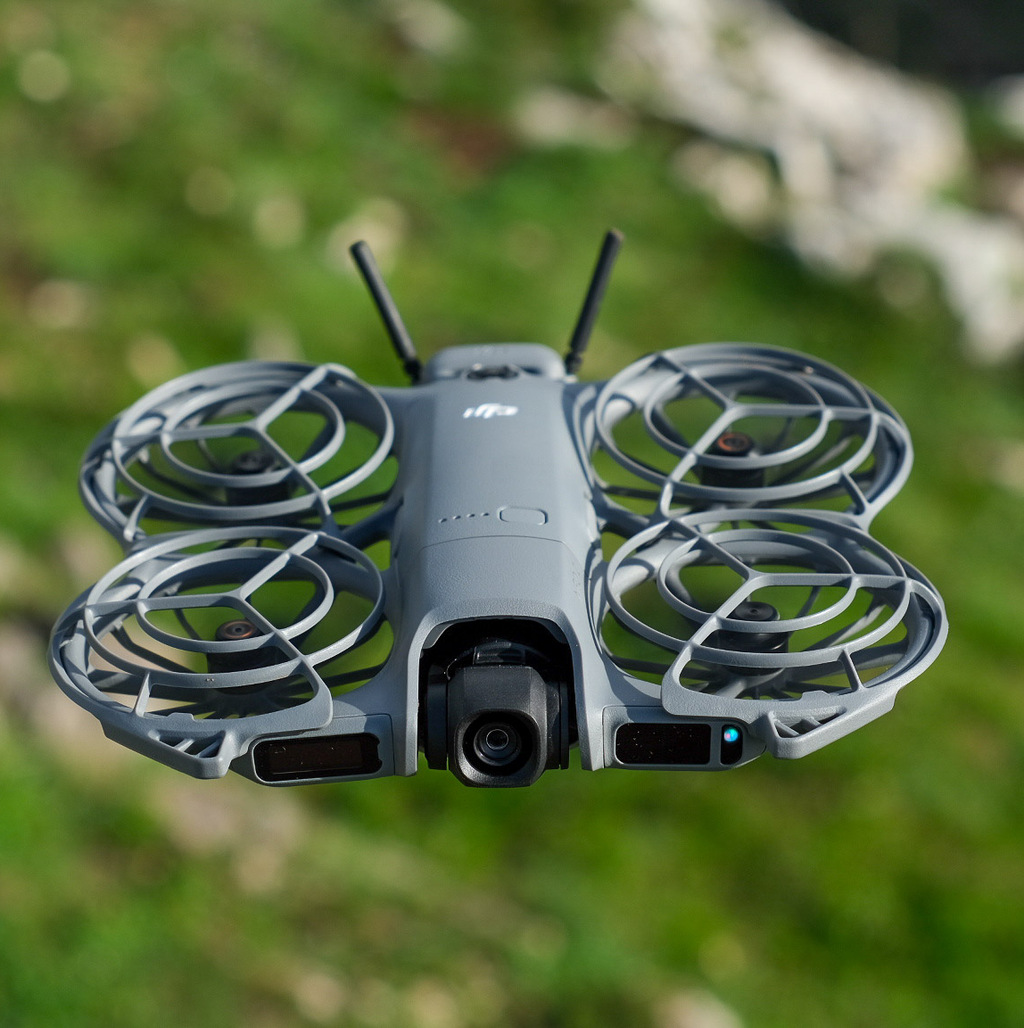
The DJI Neo 2 and Neo 1 are the smallest members of my drone fleet, earning their place when space is limited. I use them indoors and in tighter settings, where their compact size helps me explore angles and capture footage that would be difficult with my larger drones. They bring a little extra creative freedom to my kit, proving that a small drone can still play a big part in telling a story.
In the past I've also owned the Mini 2 and Mini 4 Pro drones. I'm soon going to be retiring the Neo 1 drone too.